

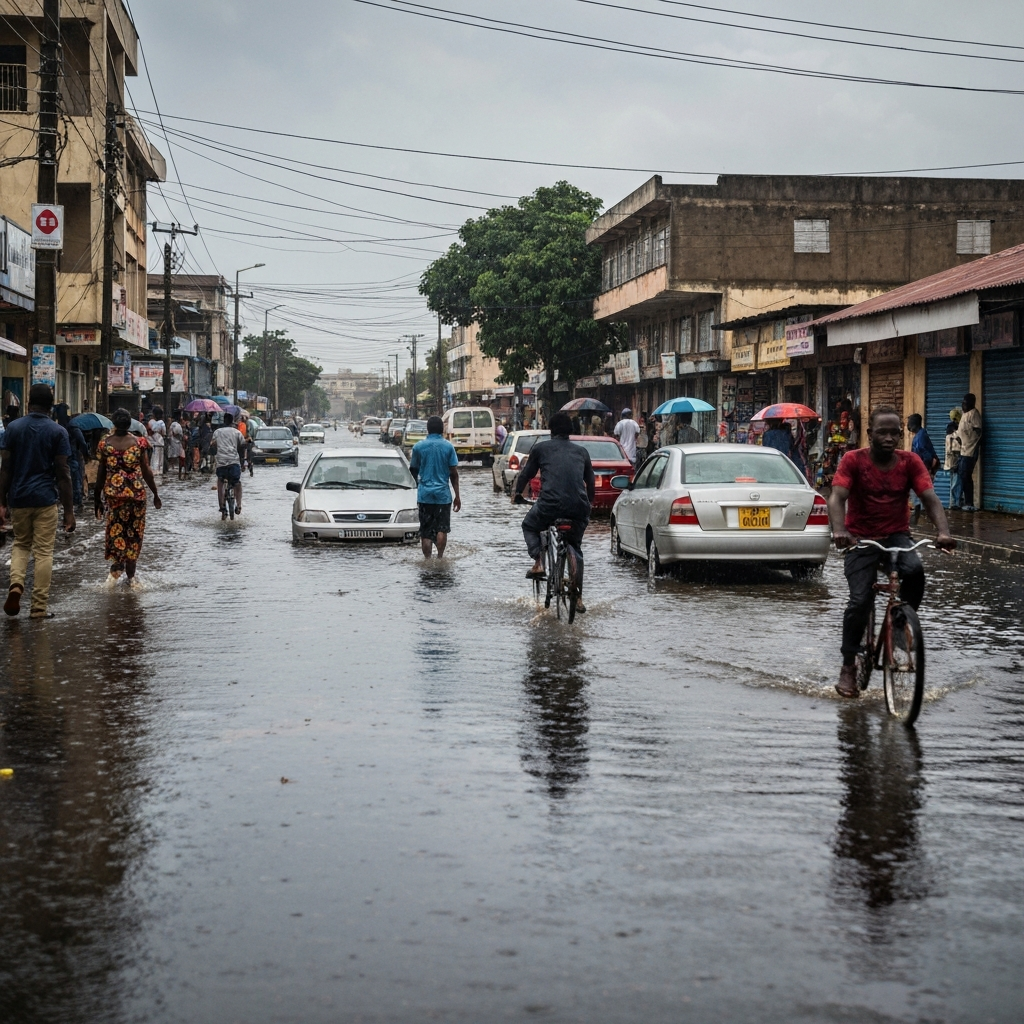
Accra, the capital city of Ghana, experiences a tropical wet and dry climate, characterized by warm temperatures and distinct wet and dry seasons. Understanding these patterns is essential for residents and visitors alike.
Seasonal Climate Patterns
Accra’s climate is marked by two primary seasons:
Rainy Season
The main rainy season spans from April to mid-July, with a secondary, less intense rainy period occurring in October. During these times, the city receives the majority of its annual rainfall, averaging about 730mm. Rainfall often comes in brief but intense storms, which can lead to localized flooding due to obstructed drainage channels.
Dry Season
The dry season typically runs from November to March. This period is characterized by lower humidity and minimal rainfall, making it a favorable time for outdoor activities and tourism.
Temperature and Humidity
Accra experiences relatively stable temperatures throughout the year. Monthly mean temperatures range from 25.9°C in August to 29.6°C in March, with an annual average of 27.6°C. The cooler months, which coincide with the summer season, tend to be more humid than the warmer months.
Environmental Challenges
Accra faces several environmental challenges that impact both the climate and public health:
Air Pollution
The city has experienced rapid growth in recent decades, leading to increased air pollution levels. Major contributors include road transport, industrial emissions, and waste burning. In 2019, the annual average PM2.5 concentration in Ghana was 11 times higher than the WHO’s recommended levels, posing significant health risks to residents.
Waste Management
Accra generates over 200,000 tonnes of waste daily. However, the city lacks a robust recycling culture, and daily collection and disposal cover only about 20% of the waste generated. This inadequate waste management contributes to environmental degradation and health hazards.
Conclusion
Understanding Accra’s climate patterns and environmental challenges is crucial for developing effective strategies to mitigate adverse effects and promote sustainable development. Addressing issues like air pollution and waste management requires coordinated efforts from both authorities and the community to ensure a healthier environment for all.