

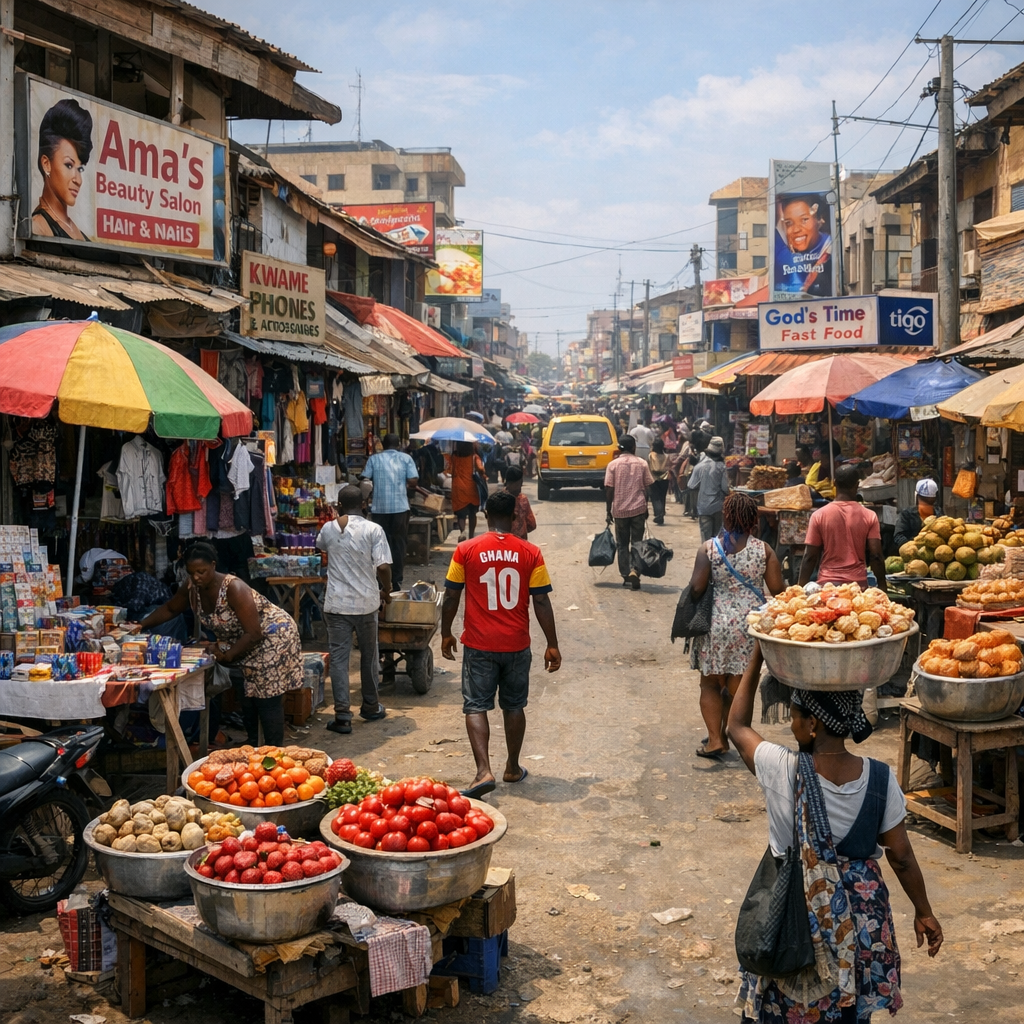
Accra’s small and medium enterprises (SMEs) are the backbone of the city’s economy, contributing significantly to employment and innovation. Despite facing challenges such as high operating costs and limited access to financing, these businesses continue to adapt and thrive.
High Operating Costs
Many SMEs in Accra grapple with substantial expenses, including rent, utilities, and labor. Commercial rents in prime areas like Osu and East Legon are particularly steep, often requiring payments one to two years in advance. Additionally, rising utility bills and inflation further strain business operations.
Limited Access to Financing
Access to affordable financing remains a significant hurdle. Traditional banks often perceive SMEs as high-risk due to limited collateral and inconsistent cash flows, leading to high interest rates and short loan tenors that hinder growth initiatives.
Adaptation and Resilience
In response to these challenges, many SMEs are embracing digital tools, shifting sales to online platforms, and utilizing mobile money for transactions. Diversifying product offerings and targeting niche markets have also become common strategies to maintain competitiveness.
Informal Sector’s Role
The informal sector plays a crucial role in Accra’s economy. According to the Ghana Statistical Service, 92.3% of businesses operate informally, highlighting the need for policies that support these enterprises and facilitate their transition to the formal sector.
Conclusion
Despite facing numerous challenges, Accra’s small businesses continue to demonstrate remarkable resilience and adaptability. Their ongoing efforts are vital to the city’s economic growth and underscore the importance of supportive policies and infrastructure to sustain this momentum.