

The global economic landscape in 2026 is marked by moderate growth and evolving challenges. The Organization for Economic Cooperation and Development (OECD) projects global growth at 2.8% for the year, influenced by factors such as geopolitical tensions and energy market volatility.
In the United States, consumer spending and investments in artificial intelligence are expected to drive moderate growth, with GDP projected to rise by 3.2% in 2026. Europe anticipates slower growth at 1.1%, with countries like Germany benefiting from fiscal and defense spending, while others face domestic challenges.
China’s growth is projected to slow to 4.5% in 2026, hindered by issues in the property sector. Meanwhile, India is expected to lead Asia with robust 6.4% growth, propelled by consumer demand.
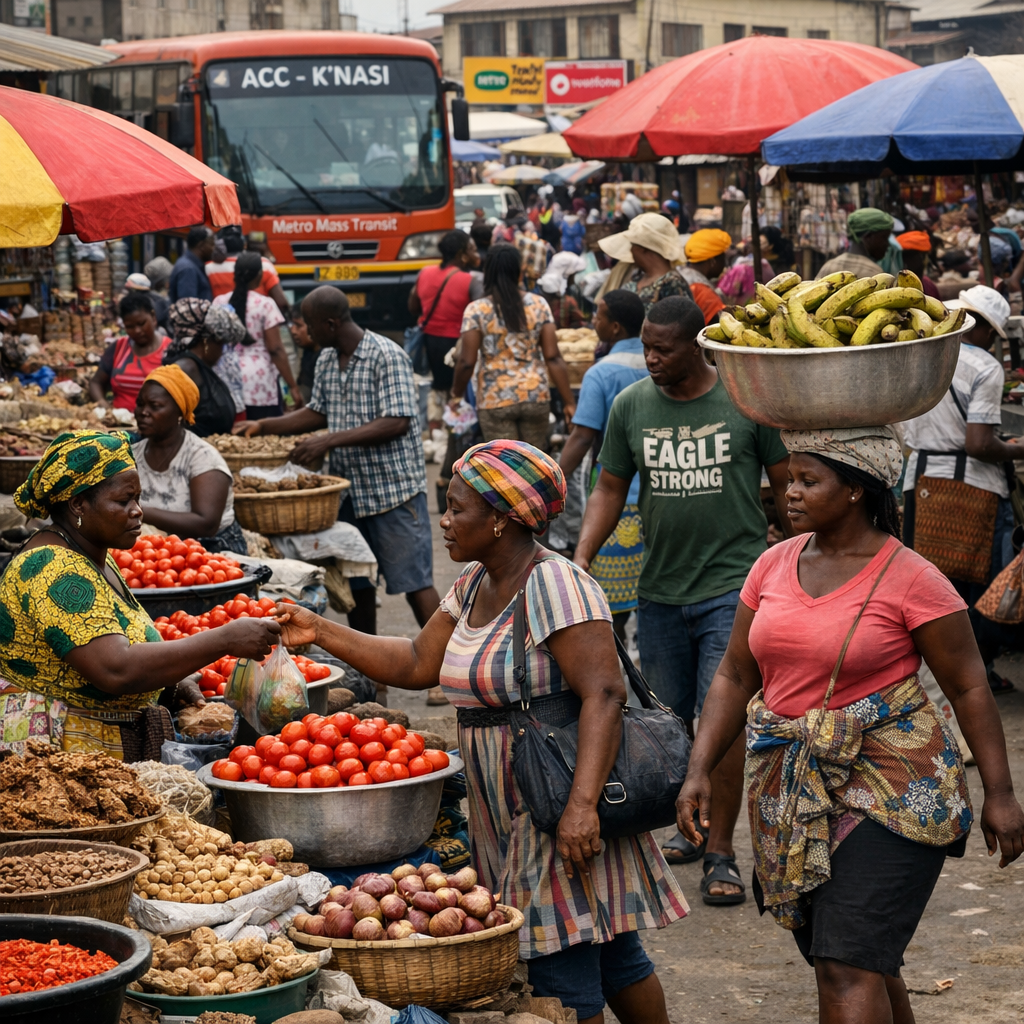
For Ghana, these global trends have significant implications. As an economy integrated into the global market, Ghana may experience impacts on trade, investment, and inflation. The projected slowdown in major economies could affect demand for Ghanaian exports, while fluctuations in energy prices may influence domestic inflation and production costs.
To navigate these challenges, Ghana could consider diversifying its export base, enhancing value addition in key sectors, and strengthening economic resilience through prudent fiscal and monetary policies. By staying attuned to global economic developments and proactively adapting, Ghana can position itself to mitigate risks and capitalize on emerging opportunities in the evolving global economy.